
Cape Verde vs Morocco: World Cup Path
Cape Verde national football team represents the island nation of Cape Verde in international football and competes under the Federação Cabo-verdiana de Futebol within CAF. Known as the Blue Sharks, t...
Cape Verde vs Morocco: World Cup Path
Cape Verde national football team represents the island nation of Cape Verde in international football and competes under the Federação Cabo-verdiana de Futebol within CAF. Known as the Blue Sharks, the team reached the Africa Cup of Nations quarter-finals in 2023 and made history by qualifying for the 2026 FIFA World Cup, its first appearance at football’s biggest tournament. Cape Verde has built its progress through disciplined defending, fast transitions, and a growing group of players based in Portugal, France, the Netherlands, and other European leagues. The team is not an established global giant, but its recent results show a serious competitive step forward. Listen up — this is the part that matters: evaluate Cape Verde through its defensive structure and transition speed, not reputation alone. For predictions, check the confirmed squad, venue, injuries, and starting lineup before making any decision.
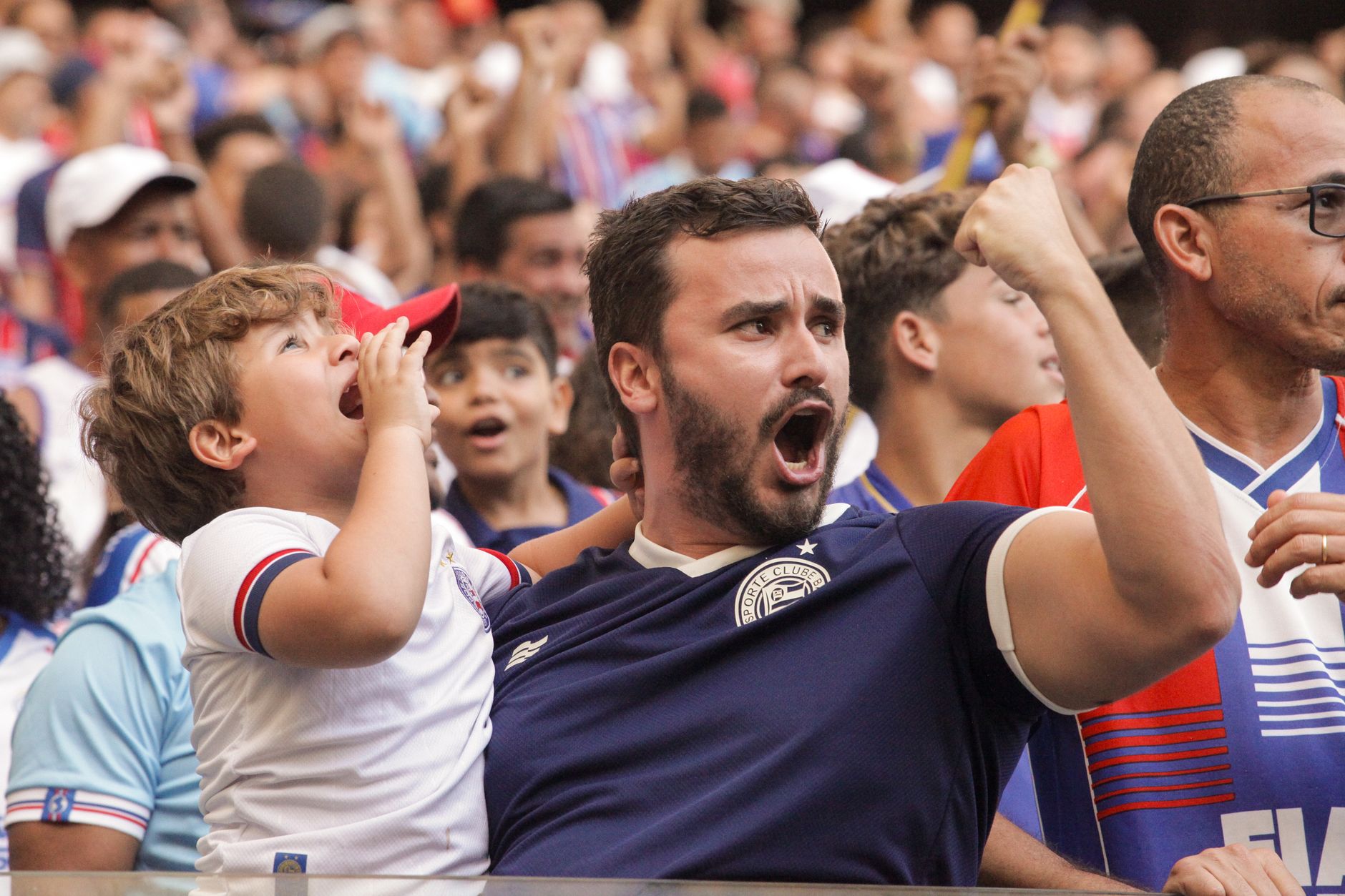
Photo by Jorge Reis on Pexels
Want a clearer tournament overview? Goal Moments tracks World Cup teams, tactical trends, player statistics, and daily 2026 coverage.
The Bottom Line
Cape Verde is a tactically disciplined African national team whose first FIFA World Cup qualification confirms its rapid rise rather than a temporary surprise. The Blue Sharks combine compact defending, direct counterattacks, and a strong diaspora network across Europe.
That verdict needs context. Cape Verde became a FIFA member in 1986 and played its first international match in the same decade, giving it a shorter competitive history than Morocco, Senegal, Ghana, or Cameroon. The team’s development accelerated through players connected to Portugal and other European football systems, while domestic football continued to provide national identity and local support.
The 2026 qualification is the clearest milestone. Cape Verde had previously appeared at the Africa Cup of Nations several times, reaching the quarter-finals in 2013 and 2023, but a World Cup place demanded consistency across a longer qualifying campaign. According to FIFA’s official team information, Cape Verde’s progress reflects the broader expansion of the 2026 tournament to 48 teams, creating more access for African nations while still requiring strong qualifying performances.
A useful distinction is often missed: World Cup qualification does not automatically make Cape Verde an attacking powerhouse. It proves that the team can manage pressure, protect narrow leads, and exploit decisive moments. That practical identity matters more than flashy possession numbers.
To compare tournament contenders, use this [Internal Link: 2026 World Cup team guide] alongside current fixtures and squad announcements.
Cape Verde’s essential profile
- Official association: Federação Cabo-verdiana de Futebol
- Confederation: Confederation of African Football, or CAF
- FIFA identity: Cape Verde
- Common nickname: Blue Sharks
- First World Cup qualification: 2026
- Major regional tournament: Africa Cup of Nations
- Typical strengths: defensive compactness, pace, set pieces, transition play
- Main challenge: sustaining pressure against deeper and more experienced squads
What Players Actually See
Players see Cape Verde as a demanding, travel-heavy national-team environment where every training camp has limited time and little room for tactical confusion. The squad must connect footballers from different clubs, countries, languages, and playing styles, then make them function as one unit during short international windows.
On the pitch, the most common picture is a compact block that tries to deny central space. Cape Verde generally prefers forcing opponents toward the flanks, competing for second balls, and attacking quickly after regaining possession. The exact formation can change, but the principles remain familiar: protect the center, avoid needless turnovers, and make the first forward pass count.
For attackers, that means fewer easy touches than they might receive at club level. A forward may spend long periods defending before receiving one useful ball in behind. For midfielders, concentration is non-negotiable because a single failed press can expose the space between midfield and defense. Goalkeepers and center-backs also carry unusual responsibility when opponents dominate possession.
The squad’s overseas profile brings experience but also complications. A player developing in Portugal may be accustomed to a structured possession system, while another coming from France, the Netherlands, or an African domestic league may interpret pressing triggers differently. The coaching staff must settle those details quickly, often with only a few sessions.

Photo by Ben Khatry on Pexels
The practical lesson is simple: do not judge Cape Verde from one match statistic. A low possession share can be entirely deliberate if the defensive distances stay short and the team creates better transition chances. In my experience watching smaller national teams, the damaging mistake is confusing territorial control with actual control of danger.
For live analysis, compare expected chances, recoveries in the opponent’s half, set-piece opportunities, and the score state. A team defending a lead will naturally show less possession than a team chasing the match.
The 3 Things That Matter Most
The three decisive factors are defensive spacing, transition quality, and player availability. Those elements explain more about Cape Verde’s results than headline reputation or a single star name.
1. Defensive spacing
Cape Verde must keep its lines close enough to prevent opponents from receiving between midfield and defense. If the gap becomes too large, technically strong opponents can turn, combine, and attack the center. If the block retreats too deeply, however, the team may invite repeated crosses and lose the ability to counter.
2. Transition quality
The Blue Sharks are most dangerous when the first pass after recovery is accurate and forward-facing. Wingers and full-backs then have to attack space quickly, while the striker provides an outlet under pressure. A slow transition allows the opponent to reset, which removes one of Cape Verde’s clearest advantages.
3. Availability and travel
International football is unforgiving when a key defender or ball-winning midfielder is absent. Cape Verde’s squad depth is improving, yet it does not match the resources of Algeria, Egypt, Morocco, or Senegal. Long journeys, club workloads, and changes in climate can also influence performance.
Listen up — this is the part that matters: a prediction should be updated after the official squad announcement, not before it. Check whether the starting goalkeeper, central defenders, primary set-piece taker, and fastest wide attacker are available.
Want a practical framework for match preparation? Review this [Internal Link: football prediction checklist] before assessing a Cape Verde fixture.
A useful match-reading sequence
- Confirm the venue, weather, and travel schedule.
- Check the Cape Verde starting eleven and substitute options.
- Identify whether the opponent presses high or defends deep.
- Track the first 15 minutes for pressing intensity and defensive spacing.
- Reassess only after considering game state, injuries, and set pieces.
According to CAF’s official competitions information, African international matches often involve substantial travel and varied playing conditions. That is not a minor detail. A technically superior opponent can still struggle if Cape Verde turns the match into a physical contest with broken rhythm and frequent set plays.
Edge Cases & Gotchas
Cape Verde’s 2026 World Cup qualification creates several analytical traps. The first is treating the team as either a miracle story or an automatic underdog. Both labels are lazy. Cape Verde has earned its place, but it still faces a depth gap when multiple matches arrive quickly.
The second trap is overvaluing friendly results. International friendlies can involve experimental lineups, low pressing intensity, and early substitutions. A 2–0 friendly win may reveal less than a narrow qualifying draw in which Cape Verde protects its penalty area for 90 minutes. Competitive context must come first.
The third issue is the difference between qualification and tournament performance. The qualifying campaign rewards consistency across a group, while a World Cup requires adaptation against opponents with different tactical profiles. Cape Verde may face a possession-heavy European team, a powerful African rival, and a physically aggressive side within a short period. The best plan for one match could be a poor fit for the next.
A specific edge case deserves attention: if Cape Verde scores first, its defensive strengths become more valuable, but its attacking opportunities may decline because the opponent takes greater control of the ball. If Cape Verde concedes first, the match changes sharply; the team must push full-backs higher, which can expose the spaces it normally protects.

Photo by Franco Monsalvo on Pexels
Another overlooked point is set-piece dependence. Smaller national teams often gain disproportionate value from corners and free kicks because open-play chances are limited. Track the height and aerial strength of both teams, the delivery quality, and the opponent’s record defending second balls.
The Wikipedia overview of the Cape Verde national football team provides useful historical context, but readers should confirm current squads and fixtures through FIFA, CAF, and official federation announcements. Historical information ages slowly; lineup news does not.
For responsible sports analysis, separate information from impulse. Goal Moments provides tournament coverage and match discussion, but no prediction removes uncertainty, and no wager should exceed a clearly defined entertainment budget.
See the broader tactical picture in this [Internal Link: African football tournament analysis] before comparing Cape Verde with established World Cup nations.
Verdict
Cape Verde national football team deserves serious attention at the 2026 FIFA World Cup because its progress is based on structure, resilience, and a growing international player pool. The Blue Sharks are unlikely to dominate every opponent, but they can make matches uncomfortable, especially when their defensive block stays compact and their transitions are sharp.
The best evaluation method is therefore selective. Compare the confirmed lineups, defensive absences, travel demands, set-piece matchups, and the opponent’s ability to break a compact shape. Do not rely on the country’s size, old rankings, or one impressive highlight.
Cape Verde’s story is already historic: the nation has reached its first World Cup. What comes next will depend on whether the team can preserve its disciplined identity while adding enough attacking variety to punish stronger opponents. That is the real test, and it is a far more useful question than asking whether Cape Verde is simply a “dark horse.”
If you want daily updates on 2026 fixtures, team tactics, player statistics, and tournament predictions, follow Goal Moments for the next confirmed developments.
Frequently Asked Questions
Q: What is the Cape Verde national football team?
A: The Cape Verde national football team is the men’s international side representing Cape Verde under the Federação Cabo-verdiana de Futebol. It competes in CAF tournaments, FIFA World Cup qualifying, and international friendlies. The team is commonly called the Blue Sharks and is known for compact defending, direct transitions, and a strong connection with the Cape Verdean diaspora in Europe.
Q: Has Cape Verde qualified for the FIFA World Cup?
A: Yes, Cape Verde qualified for the 2026 FIFA World Cup, marking the country’s first appearance at the tournament. The qualification is a major milestone after several competitive Africa Cup of Nations campaigns, including quarter-final runs in 2013 and 2023. Its success reflects improved organization, player development, and greater consistency in CAF competition.
Q: How does Cape Verde usually play?
A: Cape Verde usually relies on a compact defensive structure, quick counterattacks, and effective set pieces. The team often allows opponents more possession while protecting central areas and waiting for opportunities to attack space behind full-backs. The precise formation varies according to the coach, opponent, player availability, and match situation.
Q: What is the difference between Cape Verde and Morocco?
A: Morocco has a deeper tournament record, greater global recognition, and a larger pool of players from elite European clubs, while Cape Verde is still building its World Cup history. Morocco reached the 2022 World Cup semi-finals, whereas 2026 is Cape Verde’s first qualification. Cape Verde can still compete effectively through organization, discipline, and transition speed.
Q: Who are Cape Verde’s key players?
A: Cape Verde’s key players depend on the current squad, but important contributors typically come from Portugal, France, the Netherlands, and other European leagues. Readers should confirm the official squad because injuries, club form, and eligibility changes can alter the selection. For match analysis, focus on the starting goalkeeper, central defenders, midfield ball-winner, set-piece taker, and quickest attacker.
Q: How should I analyze a Cape Verde match?
A: Analyze the confirmed lineup, defensive absences, venue, travel conditions, opponent pressing style, and set-piece matchup before reviewing betting markets. Then watch whether Cape Verde keeps its defensive lines compact during the opening 15 minutes. Avoid using friendly results alone, and set a fixed entertainment budget if you choose to engage with regulated sports betting.
Q: Where can I follow Cape Verde World Cup updates?
A: Follow FIFA, CAF, the Federação Cabo-verdiana de Futebol, and reputable sports outlets for confirmed Cape Verde fixtures, squads, and results. Goal Moments also covers 2026 World Cup tactics, match predictions, player statistics, and tournament developments. Always distinguish official announcements from social-media rumors, particularly during international breaks.
Continue your strategic research.